
(Article #1 in the series “Running on Empty: Rethinking Learner Support in Economically Uncertain Times”)
The growing human impact of economic pressure on South Africa’s workforce
There is something deeply unsettling about watching a global crisis slowly make its way into people’s homes.
At first it feels distant. A headline on the news. Political tension unfolding somewhere far away. Discussions about oil routes, international conflict and economic instability that appear disconnected from ordinary life in South Africa.
And then suddenly it is not distant anymore.
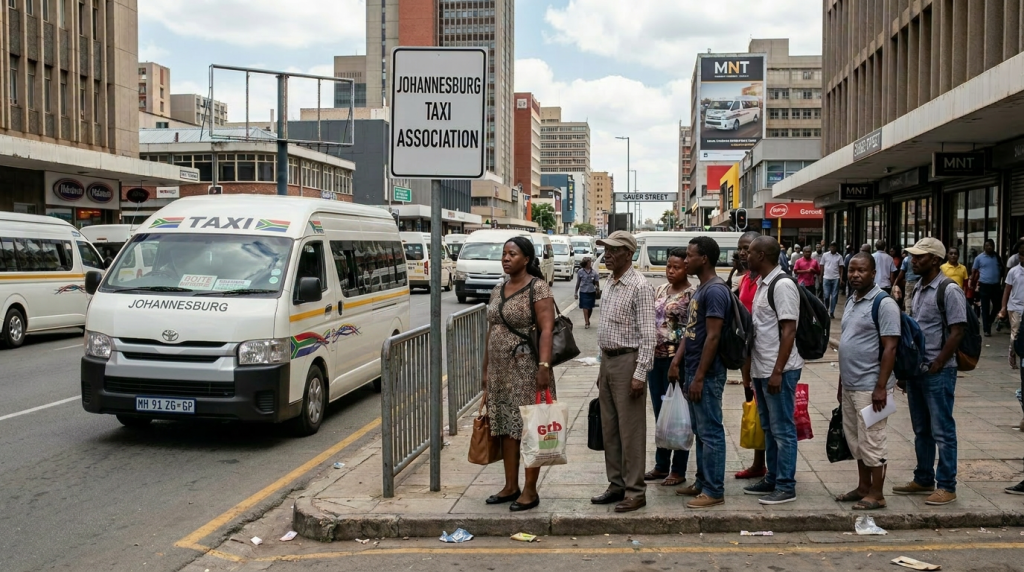
It is there at the petrol pump. In the price of bread. In the grocery basket that no longer stretches as far as it did a few months ago. In the taxi fare that quietly increases while salaries and stipends remain unchanged.
The current geopolitical tensions involving the United States, Israel and Iran have triggered significant global economic uncertainty. Oil prices have surged. Supply chains remain under pressure and food production costs continue rising as fertiliser and transport costs escalate internationally.
Globally, economists are warning that inflation linked to energy shocks can take years to stabilise. Yet for many South Africans, the concern is not what inflation may look like in two years’ time.
The concern is how to survive next month.
South Africa enters this period already carrying enormous economic strain. Unemployment remains among the highest in the world. Youth unemployment continues to sit at deeply concerning levels. Food insecurity is growing. Debt levels are rising and many households are balancing one income across multiple dependants.
But perhaps the most important question is this.
Who feels these pressures first?
It is rarely those with financial security or access to support structures.
More often than not, it is the people already living closest to financial vulnerability. Learners earning modest stipends. Interns entering the workforce for the first time on entry level salaries. Junior employees earning minimum wage while supporting entire households. Young professionals attempting to build careers while carrying debt, transport costs and rising living expenses that increase faster than their income ever could.
It would be easy to assume that employment automatically creates stability.
But that is no longer the reality for a large portion of the workforce.
Across South Africa, there are people working full time who are still making impossible choices between transport, electricity, groceries and debt repayments every single month.
For individuals with disabilities, the pressure is often even greater. Additional medical expenses, specialised transport requirements and accessibility related costs create financial burdens many employers may never fully see or understand.
Yet even beyond visible disabilities, there are thousands of people quietly carrying emotional and psychological strain that remains completely unnoticed in the workplace.
The employee who arrives smiling every morning may still be skipping meals to stretch their salary until month end.
The intern trying to appear motivated and professional may be travelling hours each day while worrying about how to afford transport for the rest of the week.
The learner struggling to focus during training may not lack commitment at all. They may simply be exhausted from surviving.
And perhaps that is the uncomfortable reality organisations now need to confront.
How many people within our workforce are coping rather than coping well?
How many are functioning in survival mode while still being expected to perform, engage and remain optimistic about the future?
Economic hardship does not always announce itself loudly. Sometimes it appears as absenteeism, burnout, declining performance, anxiety, withdrawal or emotional fatigue.
And sometimes, if left unsupported for too long, it becomes something far more serious.
At Progression, these realities became painfully visible during the Covid-19 pandemic. We witnessed learners struggling emotionally under the weight of uncertainty, isolation and financial pressure. Some attempted suicide and tragically, some lost their lives.
Those experiences left a lasting impact on us.
Because in that moment, the conversation around skills development changed completely.
It stopped being only about compliance, targets and programme delivery.
It became about people.
About understanding that no learner, intern or employee can thrive professionally while silently fighting emotional exhaustion, financial instability or mental distress.
This is especially important when considering invisible disabilities and undiagnosed emotional challenges. Not every person struggling will arrive with formal medical documentation or visible signs of distress. Many continue functioning outwardly while internally approaching emotional burnout.
And perhaps that is why this conversation matters so deeply now.
Because the current global crisis is no longer simply about geopolitics or economics. It is about human impact.
It is about the growing emotional toll of uncertainty.
It is about what happens to a workforce when survival becomes the primary focus rather than growth, learning and opportunity.
So where does this leave organisations?
Should businesses be expected to solve a national economic crisis?
Of course not.
Organisations themselves are under immense pressure. Rising operational costs, economic uncertainty and increasing compliance demands are affecting businesses across every sector.
Yet perhaps there is another question worth asking.
What would happen if organisations began viewing learner and employee support not as an additional burden but as part of sustainable workforce strategy?
What if flexibility became a form of support?
What if retention improved when people felt seen and understood?
What if small adjustments could create meaningful relief for individuals carrying enormous pressure silently?
And what if the future of transformation depends not only on creating opportunities but on ensuring people are emotionally, mentally and financially supported enough to remain within those opportunities long enough to succeed?
These are the conversations we believe organisations need to begin having now.
Not from a place of guilt.
Not from fear.
But from awareness.
Because the reality is this. The global crisis is no longer far away. It is already affecting homes, workplaces, classrooms and training environments across South Africa.
In the next article in this series, we will explore practical and sustainable ways organisations can support learners, interns and employees during this period of economic strain. From hybrid learning approaches and flexible work arrangements to mental health support structures and cost conscious interventions, the focus will shift from awareness to action.
Because perhaps the most important question is no longer whether people are struggling.
The question is what we choose to do once we know they are.